

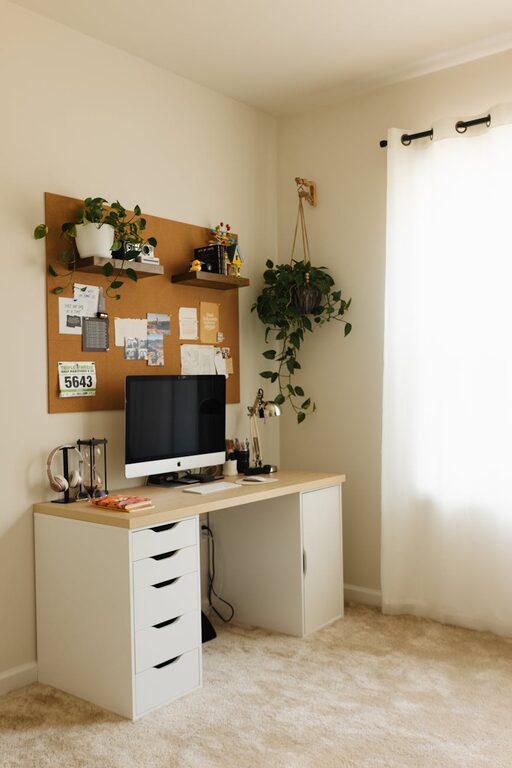
Creating a cozy and functional home workspace is essential in today’s world, where many people work or study from home. A well-designed workspace not only enhances productivity but also promotes comfort and focus throughout the day. Whether you have a small corner or an entire room to dedicate to work, these tips will help you craft a space that supports your needs and inspires your best work.
1. Choose the Right Location
Selecting the ideal spot for your home workspace is the first crucial step. Consider these points:
– Natural Light: Position your desk near a window if possible. Natural light reduces eye strain and improves mood.
– Quiet Area: Find a place with minimal noise and distractions to help maintain concentration.
– Space Availability: Ensure there’s enough room for your desk, chair, and any equipment or storage you require.
If space is limited, try to carve out a niche, such as a corner of a bedroom or living room.
2. Invest in a Comfortable and Supportive Chair
Since you’ll spend several hours sitting, investing in an ergonomic chair is worthwhile. Key features to look for include:
– Adjustable height and lumbar support.
– Comfortable padding.
– Breathable material to prevent overheating.
– Swivel and wheels for mobility.
Your comfort directly affects productivity and reduces the risk of back pain or fatigue.
3. Optimize Your Desk Setup
Your desk should be both functional and inviting. Consider:
– Size: Choose a desk big enough for your computer, keyboard, and necessary paperwork but not so large it feels overwhelming.
– Surface: A smooth, easy-to-clean surface helps keep things tidy.
– Desk Organization: Use desk organizers, trays, or drawers to keep supplies neat and accessible.
Arrange items you use daily within arm’s reach to reduce distractions when searching for materials.
4. Create Proper Lighting
Lighting dramatically influences your home workspace comfort. Combine these lighting sources:
– Natural Light: As mentioned, maximize daylight.
– Task Lighting: Use adjustable desk lamps to illuminate your work area without causing glare.
– Ambient Lighting: Soft overhead or floor lamps help reduce eye strain and create a cozy atmosphere.
Avoid harsh fluorescent lights or working in dim conditions.
5. Keep the Workspace Organized
An orderly workspace makes it easier to focus and feel relaxed. Tips include:
– Regularly declutter your desk and digital files.
– Use cable organizers to avoid tangled cords.
– Incorporate shelves, filing cabinets, or storage boxes for paperwork and supplies.
– Label storage to make finding items quick and easy.
Organization encourages efficiency and cuts down on time wasted searching.
6. Personalize Your Space Thoughtfully
Adding personal touches can make your workspace feel cozy and inviting, but be careful not to overdo it. Some ideas:
– Display a favorite photo or piece of art.
– Add a small plant to bring a bit of nature indoors.
– Use a calming color scheme with soft tones.
– Choose comfortable and attractive desk accessories.
Personalization helps boost your mood, making work feel less like a chore.
7. Manage Technology Efficiently
Technology is often central to a home workspace. To manage it well:
– Ensure your computer, printer, and other devices are in good working order.
– Position screens to avoid glare and at eye level to protect your neck.
– Use headphones or noise-canceling devices if needed.
– Keep charging stations and cords organized to avoid clutter.
A reliable tech setup minimizes frustration and interruptions.
8. Take Breaks and Move Regularly
Even with a perfect workspace, sitting for long periods is unhealthy. Encourage yourself to:
– Stand and stretch frequently.
– Take short walks or do light exercises.
– Use a standing desk or adjustable desk if possible.
Regular movement refreshes the mind and body, helping sustain productivity.
9. Maintain Good Air Quality and Temperature
Comfortable air quality and temperature contribute to a pleasant work environment:
– Open windows when possible for fresh air.
– Use a fan, heater, or air purifier as needed.
– Maintain moderate room temperature to avoid feeling too hot or cold.
A comfortable climate keeps you alert and comfortable throughout the day.
Conclusion
Designing a cozy and functional home workspace involves thoughtful planning and simple changes. By choosing an ideal location, investing in comfortable furniture, organizing efficiently, and adding personal touches, you set yourself up for success in your home-based tasks. Remember, your workspace should support both your work and well-being — a balance that makes all the difference in your daily routine.