

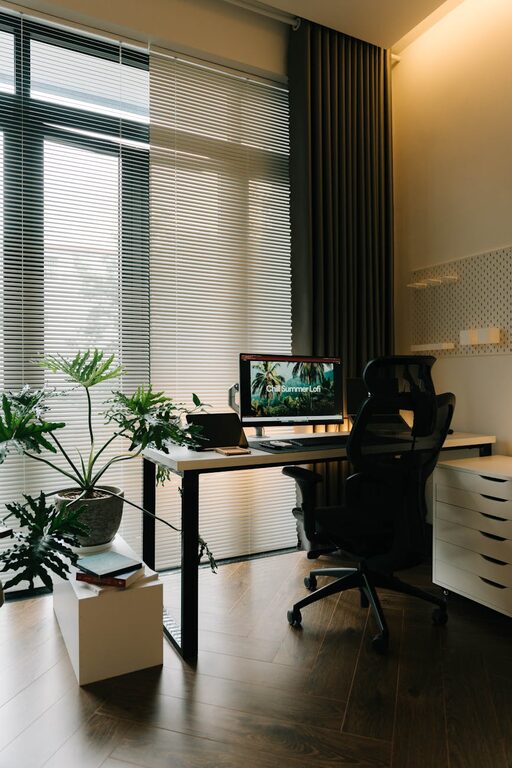
Creating a home office that feels both cozy and productive can transform the way you work from home. With many people spending more time at their desks, it’s essential to design a space that encourages focus while also providing comfort. Here are several practical tips to help you build a home office environment that supports your best work.
Choose the Right Location
Finding the perfect spot for your home office sets the foundation for productivity. Consider these factors when selecting a space:
– Natural Light: A location near a window provides natural daylight, which helps reduce eye strain and boosts mood.
– Quiet Environment: Choose a quiet area away from heavy foot traffic or household distractions.
– Adequate Space: Ensure there is enough room for your desk, chair, and essential equipment without feeling cramped.
If space is limited, try creative solutions like converting a corner of a living room, a nook, or even a section of a bedroom. The key is to create a dedicated area exclusively for work.
Invest in a Comfortable Chair and Desk
Comfort plays a vital role in maintaining focus during long hours of work.
– Ergonomic Chair: Select a chair that supports good posture, adjustable height, and lumbar support to avoid back pain.
– Appropriate Desk Height: Your desk should allow your arms to rest comfortably at a 90-degree angle while typing or writing.
– Consider Standing Options: A standing desk or an adjustable sit-stand desk can provide flexibility and help reduce fatigue.
Don’t hesitate to spend a bit more on furniture that promotes comfort and well-being — it’s an investment in your productivity.
Organize Your Workspace
Clutter can quickly disrupt your focus. Keep your home office tidy and organized by:
– Using Storage Solutions: Shelves, drawers, and desktop organizers help keep supplies within reach without crowding your desk.
– Cable Management: Use clips or sleeves to manage cords and cables, preventing tangles.
– Minimal Decor: Keep decorations to a minimum to avoid distractions, but personalize with a few meaningful items to maintain a welcoming vibe.
Establish daily or weekly routines for tidying up to maintain a clean workspace.
Optimize Lighting
Good lighting reduces eye strain and keeps energy levels up.
– Combine Natural and Artificial Light: Use natural light during the day and add layered lighting, such as overhead lights and desk lamps, for evenings.
– Avoid Glare: Position your monitor to avoid glare from windows and lights.
– Use Adjustable Lamps: Desk lamps with adjustable arms and brightness settings make it easier to customize lighting based on tasks.
Add Personal Touches and Comfort Elements
A home office should feel inviting. Small touches can create a cozy atmosphere without compromising professionalism.
– Plants: Adding a few indoor plants improves air quality and adds a refreshing touch of nature.
– Soft Textiles: Consider a comfortable rug or a cushion for your chair to add warmth.
– Art and Inspiration: Hang motivating quotes, artwork, or photos that inspire you.
Just be mindful not to overcrowd the space with too many items to maintain clarity.
Use Technology Wisely
Technology tools can boost productivity when chosen and managed thoughtfully.
– Reliable Devices and Accessories: Invest in a good computer, reliable internet, quality keyboard, and mouse.
– Headphones for Focus: Noise-canceling headphones can help drown out distractions.
– Cable and Device Charging Stations: Keep devices charged and cables organized to save time.
Also, keep technology clutter-free by regularly managing files and apps.
Set Boundaries and Routine
Creating a productive home office isn’t just about physical space but also about mindset.
– Define Work Hours: Set clear start and finish times to avoid overworking.
– Limit Interruptions: Use signs or signals to let others know when you’re unavailable.
– Regular Breaks: Schedule short breaks to stretch or walk, maintaining energy and mental clarity.
Developing these habits supports a healthy work-life balance.
Make Your Space Adaptable
Sometimes your needs and preferences change. Consider making your home office adaptable:
– Modular Furniture: Choose pieces that can be rearranged or expanded as needed.
– Mobile Storage: Rolling carts or portable storage allow flexibility.
– Multi-Use Areas: If space serves multiple purposes, use fold-away desks or screens to separate work and personal life.
Final Thoughts
Designing a cozy and productive home office is achievable with thoughtful planning and attention to both comfort and function. By choosing the right location, investing in ergonomic furniture, organizing effectively, and adding personal touches, you’ll create a space where work feels less like a chore and more like a rewarding part of your day. Remember, your workspace should evolve with you, so stay open to adjusting it as your needs change.
With these tips, your home office can become a haven of focus and comfort, helping you thrive in your work-from-home routine.