

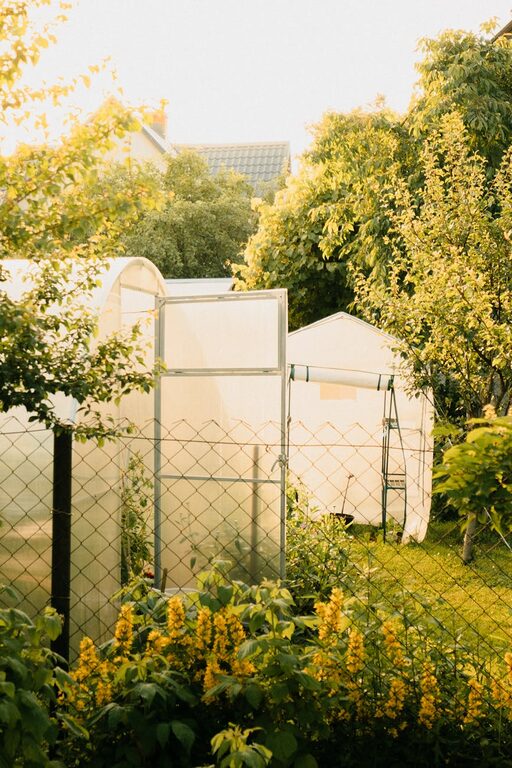
Creating a beautiful and sustainable home garden is a wonderful way to connect with nature, improve your living space, and reduce your environmental impact. Whether you have a small balcony or a spacious backyard, cultivating a garden that supports local wildlife and conserves resources can be a rewarding project. Here are some practical tips to help you design and maintain a garden that is both attractive and eco-friendly.
Choose Native and Adapted Plants
One of the most important steps in sustainable gardening is selecting plants that naturally thrive in your region. Native plants are adapted to local climate and soil conditions, which means they require less water, fertilizer, and pest control. This not only saves resources but also supports local pollinators such as bees, butterflies, and birds.
Benefits of Native Plants
– Lower water and maintenance needs
– Better resistance to pests and diseases
– Improved habitat for wildlife
– Preservation of local biodiversity
Try visiting a local nursery or botanical garden to find native species suitable for your garden space.
Plan Your Garden with Sustainability in Mind
Good planning helps you make the most of your available space and resources. Consider the natural sunlight patterns in your garden when deciding where to plant shrubs, flowers, and vegetables. Group plants with similar water and sunlight needs together to ensure efficient care.
Here are some design tips to keep in mind:
– Use mulch to retain soil moisture and reduce weeds
– Incorporate rain gardens or swales to manage rainwater naturally
– Create layers with ground covers, shrubs, and trees for diverse habitats
– Include edible plants like herbs, vegetables, or fruit trees for a self-sustaining food source
Practice Water-Wise Gardening
Water conservation is a key aspect of sustainability. A beautiful garden doesn’t have to be water-intensive. Employ water-wise techniques to keep your plants healthy while using less water.
Water-Saving Strategies
– Collect rainwater using barrels or cisterns for irrigation
– Water early in the morning or late in the evening to reduce evaporation
– Use drip irrigation systems to target watering directly to roots
– Improve soil with compost to increase its water retention capacity
Choose Organic and Natural Solutions
Avoid chemical fertilizers and pesticides, which can harm beneficial insects, soil health, and water quality. Instead, focus on organic gardening practices that nurture the natural ecosystem of your garden.
Some recommendations include:
– Use homemade compost or organic fertilizers to enrich soil
– Encourage beneficial insects like ladybugs and lacewings to control pests naturally
– Rotate crops and practice companion planting to reduce disease and pests
– Use natural pest deterrents such as neem oil or garlic spray
Create Wildlife-Friendly Spaces
A sustainable garden welcomes wildlife by providing food, shelter, and water. This can increase plant pollination and pest control naturally while adding life and beauty to your garden.
Ways to attract wildlife:
– Plant flowering species that bloom at different times of the year
– Include a water source like a birdbath or shallow dish
– Set up birdhouses, bat boxes, or insect hotels
– Leave some areas with leaf litter or logs for insects and small animals
Maintain Your Garden Responsibly
Sustainability is an ongoing effort. Regular, mindful maintenance ensures your garden stays healthy and vibrant.
Tips for garden care:
– Prune plants as needed to promote growth and prevent disease
– Remove invasive species promptly to protect native plants
– Reuse garden waste by composting leaves, grass clippings, and kitchen scraps
– Monitor plant health and soil condition regularly
Embrace Creativity and Patience
A sustainable garden evolves over time. Don’t be discouraged if it doesn’t look perfect immediately. Experiment with different plants and placements, and enjoy watching your garden grow naturally.
Remember, a home garden is not only about aesthetics but also about creating a space that benefits both you and the environment. Every small step toward sustainability makes a difference!
—
With these tips in mind, you can establish a beautiful, resilient garden that contributes positively to your neighborhood’s ecosystem. Happy gardening!