

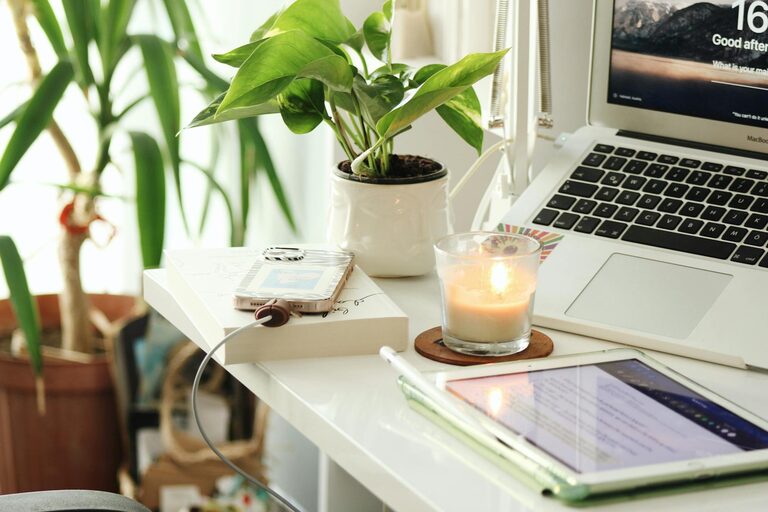
Creating a home office that is both cozy and productive can transform the way you work from home. Whether you’re working full-time remotely, freelancing, or managing personal projects, having a space designed for focus and comfort helps you stay motivated and organized. In this post, we’ll explore practical tips to set up a home office that supports your work while making you feel right at home.
Why You Need a Cozy and Productive Home Office
When working at home, distractions can easily pull your attention away. A dedicated workspace visually signals your brain that it’s time to work. Adding cozy elements keeps your environment inviting, so you look forward to spending time there. Together, functionality and comfort improve your focus, reduce stress, and enhance your overall workflow.
Choosing the Right Location
Find a Quiet Spot
Pick a spot in your home with minimal noise and foot traffic. If possible, select a room you can close off to prevent disruptions. If space is limited, a corner of a living room or bedroom can work, but try to use room dividers or screens for separation.
Consider Natural Light
Good lighting is essential for productivity and well-being. Try to place your desk near a window to benefit from natural light, which helps reduce eye strain and lifts your mood. If natural light is limited, invest in adjustable, warm-toned bulbs to create a comfortable atmosphere.
Ergonomic and Comfortable Furniture
Select an Adjustable Chair
A comfortable, supportive chair is key to maintaining good posture and avoiding back pain. Look for chairs with adjustable height, lumbar support, and cushioning that fits your body shape.
Use a Suitable Desk
Choose a desk that fits your space and work needs. If possible, consider a height-adjustable desk to alternate between sitting and standing, which promotes better circulation and focus.
Accessory Supports
Add an ergonomic keyboard, mouse, or even a monitor stand to keep your wrists and neck aligned properly while working. These small adjustments can make long hours much more comfortable.
Organizing Your Workspace
Declutter Regularly
A cluttered desk can cause distraction and stress. Keep only essentials on your workspace and organize cables to avoid tangling. Make it a habit to tidy your desk at the end of each workday.
Storage Solutions
Use shelves, drawers, or containers to store supplies and paperwork. Labeling boxes or files helps you find what you need quickly, maintaining an efficient workflow.
Digital Organization
Don’t forget to organize your digital files and emails similarly. A clean desktop and well-structured folders contribute to faster task completion.
Personalizing Your Space
Add Cozy Textiles
Soft rugs, cushions, or a throw blanket add warmth and comfort to your office. These elements make your space inviting and can help reduce stress.
Use Plants
Indoor plants brighten up your office and improve air quality. They also bring a touch of nature indoors, which can increase creativity and reduce fatigue.
Decor and Inspiration
Incorporate artwork, photos, or motivational quotes that inspire you. Personal touches make the space feel uniquely yours and create a positive work environment.
Managing Technology and Sound
Minimize Distractions
Limit notifications on your devices and consider using website blockers during work hours. Headphones with noise-cancelling features are helpful if you work in a noisy environment.
Invest in Good Equipment
Reliable internet, a quality webcam, and clear audio devices help if you attend virtual meetings. This reduces frustration and technical difficulties.
Setting Boundaries and Routine
Define Work Hours
Set clear start and end times for your workday. This routine helps separate your professional and personal life.
Take Breaks
Include short breaks during your routine to stretch, hydrate, or move around. Breaking up your work time helps maintain focus and avoids burnout.
End-of-Day Ritual
Develop a closing ritual, like shutting down your computer or clearing your desk, to signal the end of work. This habit supports mental transition to personal time.
Final Thoughts
Designing a cozy and productive home office takes some planning, but the benefits are well worth it. By choosing the right location, investing in comfortable furniture, organizing effectively, personalizing your space, and managing technology wisely, you create a work environment where you can thrive. Most importantly, tailor your home office to your needs and preferences – a space that feels comfortable and inspiring will motivate you to stay productive day after day.